August 12, 2026
Why Sexual and Reproductive Health and Rights Matter for Young People in Uganda
Access to accurate information and quality sexual and reproductive health services is essential for young people's health, dignity, wellbeing, and future opportunities. Strengthening SRHR awareness can help young people make informed decisions and access the support they need.

Understanding SRHR
Sexual and reproductive health and rights, commonly known as SRHR, are an important part of overall health and wellbeing. SRHR includes access to accurate information, appropriate healthcare services, privacy, dignity, and the ability to make informed decisions about one's sexual and reproductive health.
For young people, having access to reliable information is particularly important. Adolescence and early adulthood are periods of significant physical, emotional, and social development, and young people need trustworthy information to make responsible decisions about their health and future.
Why Access to Information Matters
Young people often receive information about sexual and reproductive health from many different sources, including friends, social media, schools, families, and the internet. However, not all information available through these channels is accurate or safe.
Reliable and age-appropriate information can help young people understand their health, recognize when they need professional support, and make informed decisions.
Health education should therefore go beyond simply providing information. It should create an environment where young people can ask questions without fear of shame, discrimination, or judgment.
Breaking the Silence
In some communities, conversations about sexual and reproductive health can be difficult. Cultural expectations, stigma, fear, and misinformation may prevent young people from asking questions or seeking services.
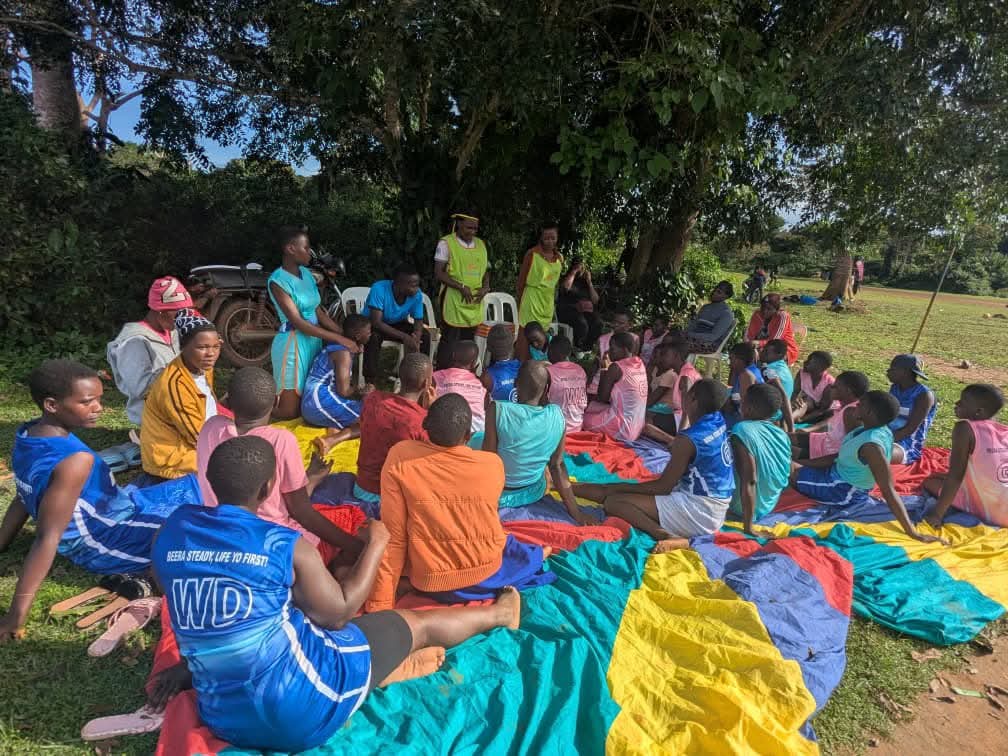
Creating safe spaces for discussion can help change this situation. Young people should be able to discuss their concerns with trusted adults, trained health workers, educators, and community organizations. These conversations can help replace misinformation with accurate knowledge and encourage young people to seek appropriate support when they need it.
Young People Need Youth-Friendly Services
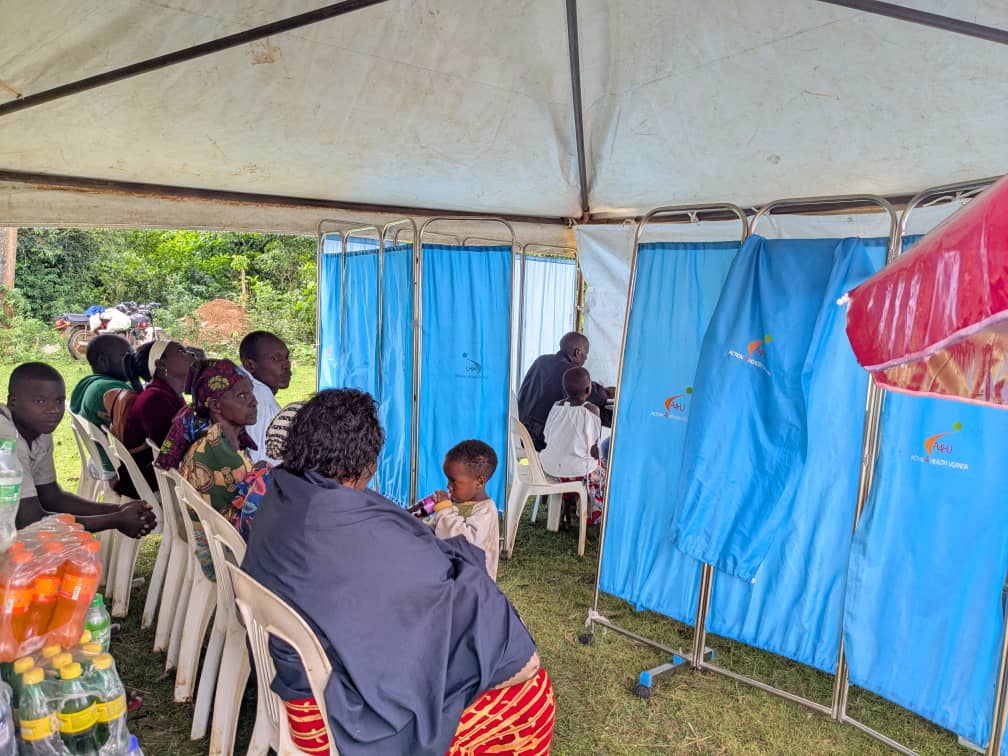
Information alone is not enough. Young people also need access to health services that are respectful, confidential, accessible, and responsive to their needs. Youth-friendly services can make it easier for young people to ask questions and seek support without feeling judged.
Healthcare providers and community organizations can contribute by creating welcoming environments, protecting confidentiality, communicating clearly, and treating every young person with dignity and respect.
The Role of Communities
Families and communities have an important role in supporting young people's sexual and reproductive health.
Parents, guardians, teachers, community leaders, and youth organizations can help create environments where young people feel comfortable seeking accurate information and appropriate support.
Community-based conversations can also help address harmful misconceptions and encourage people to view SRHR as an important part of health and wellbeing rather than a subject that should always remain unspoken.

An Issue That Affects More Than Health
SRHR is connected to many other areas of young people's lives. When young people have access to appropriate information and services, they can be better positioned to make informed decisions about their education, relationships, health, and future.
This means that investment in SRHR can also contribute to broader goals such as education, gender equality, economic participation, and community wellbeing.
“Young people deserve accurate information, respectful services, and safe spaces where they can ask questions and make informed decisions about their health and future.
The Power of Youth Participation
Young people should not only be viewed as recipients of SRHR information. They can also play an active role in shaping programmes and conversations that affect them.
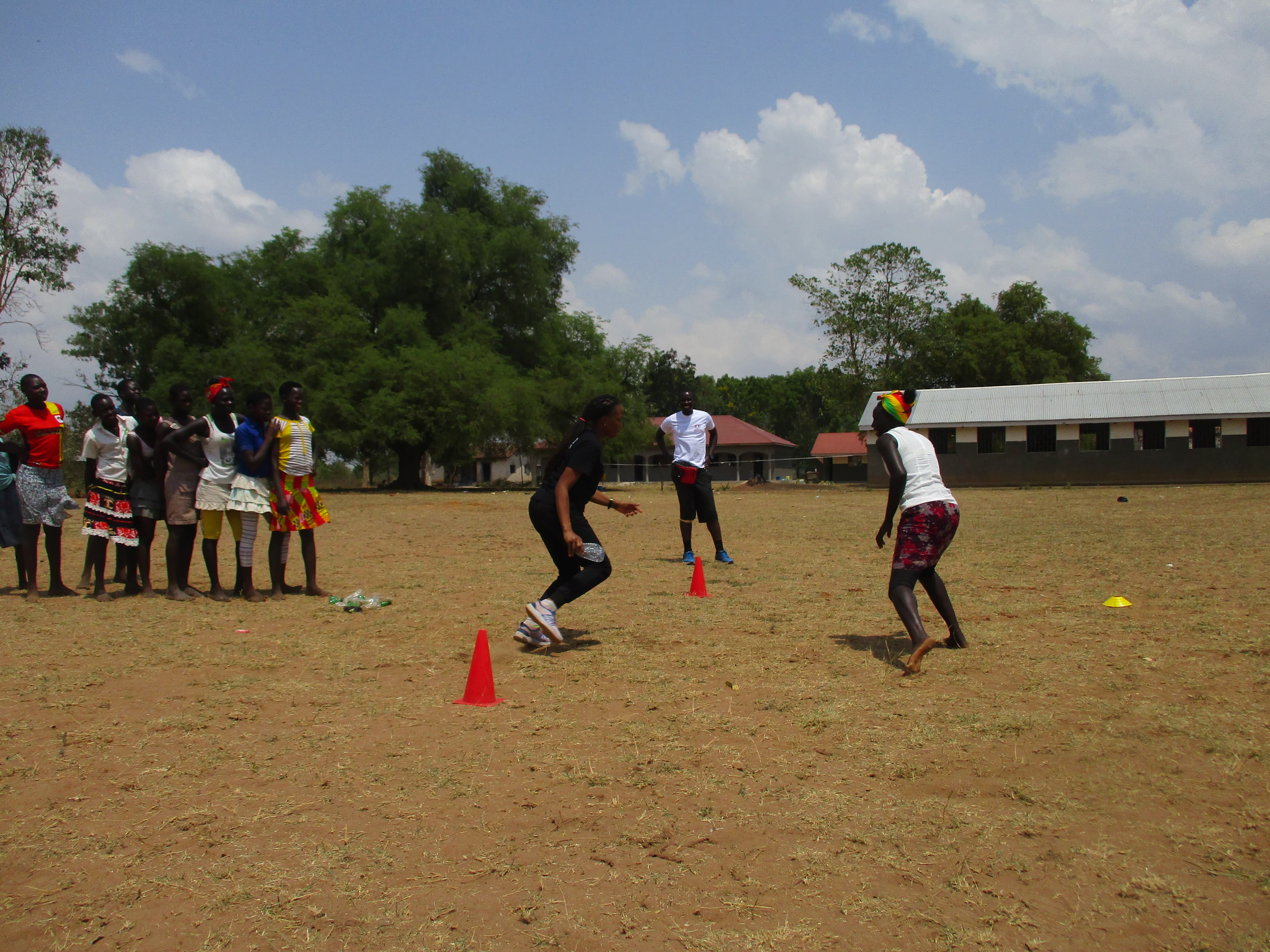
Youth-led organizations and community groups can help identify the challenges young people face, develop appropriate awareness activities, and use digital platforms to share reliable information.
When young people are involved in programme design and implementation, interventions can become more relevant to their actual experiences and needs.
This highlights why communities and organizations need to continue identifying and addressing the barriers that prevent young people from accessing appropriate health information and support.
Note: For a real publication, replace this illustrative statistic with a verified statistic from an authoritative source before publishing.
Looking Ahead
Improving SRHR outcomes requires cooperation between young people, families, communities, health professionals, educators, civil society organizations, and policymakers.
Digital platforms can also play an important role by providing young people with accessible and reliable information. However, online information should be carefully checked against trusted health sources to avoid spreading misinformation.
The goal should be to create communities where young people can access the information and services they need without fear, discrimination, or unnecessary barriers.
Conclusion
Sexual and reproductive health and rights are an important part of young people's overall wellbeing. Ensuring that young people have access to accurate information, respectful services, and safe spaces for discussion can help them make informed decisions and build healthier futures.
SRHR is not only about healthcare. It is also about dignity, informed decision-making, access to information, equality, and the ability of young people to participate meaningfully in decisions that affect their lives.
By listening to young people and involving them in solutions, communities can build stronger and more supportive systems for the next generation.