August 11, 2026
How Young People Are Restoring Wetlands in Uganda
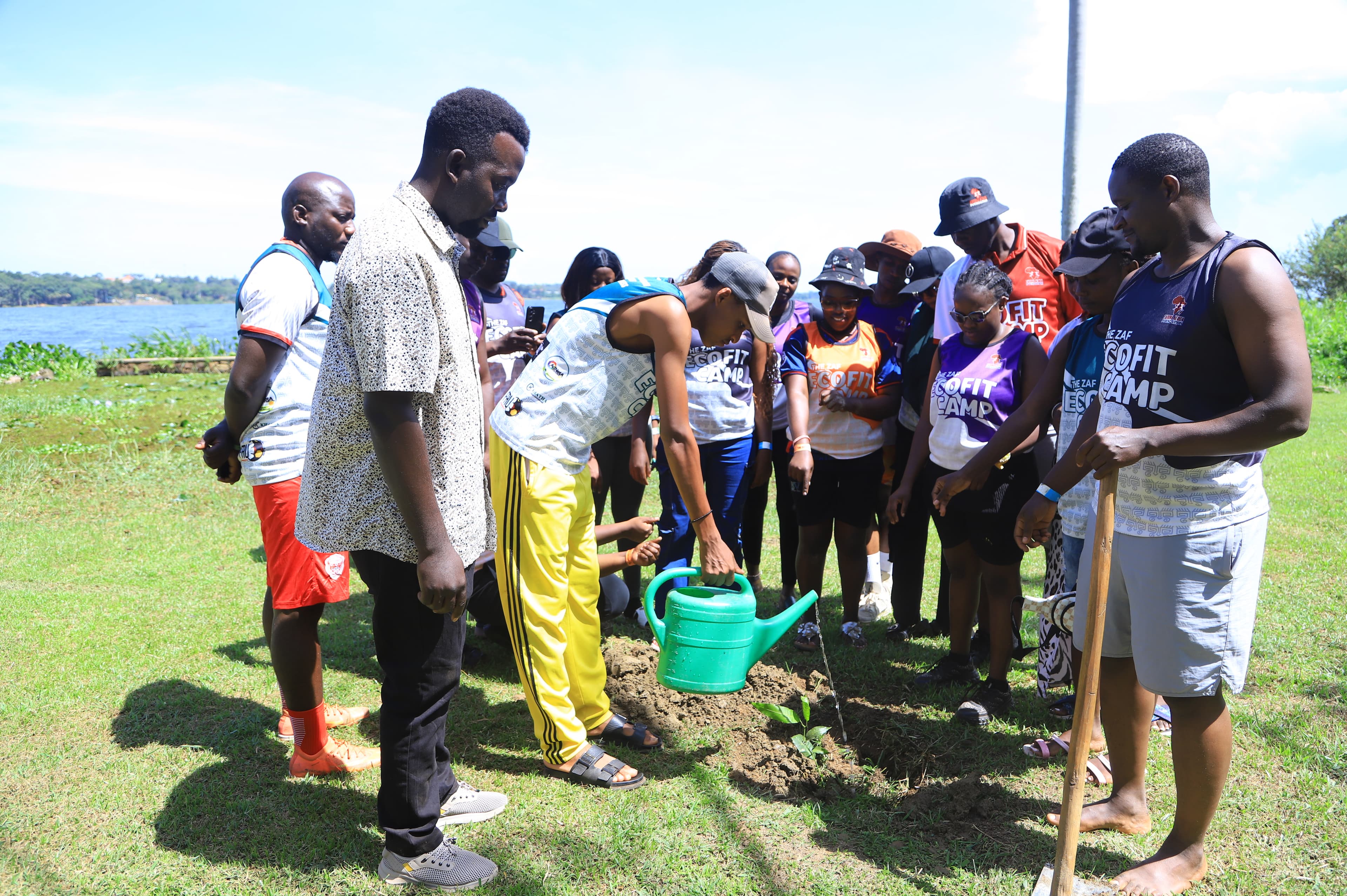
Across Uganda, young people are taking an active role in protecting and restoring wetlands. Through community awareness, restoration activities, environmental education, and local action, youth are helping communities understand why wetlands matter and how they can be protected for future generations.

Introduction
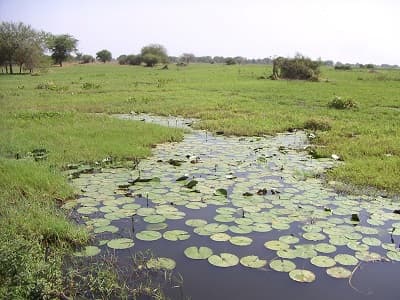
Uganda's wetlands are among the country's most important natural ecosystems. They provide water, support agriculture, reduce flooding, protect biodiversity, and contribute to the livelihoods of millions of people. However, increasing pressure from settlement, agriculture, waste disposal, and other human activities continues to threaten these valuable ecosystems
For many years, conversations about environmental protection have focused mainly on government institutions and environmental organizations. Today, young people are increasingly becoming part of the solution.
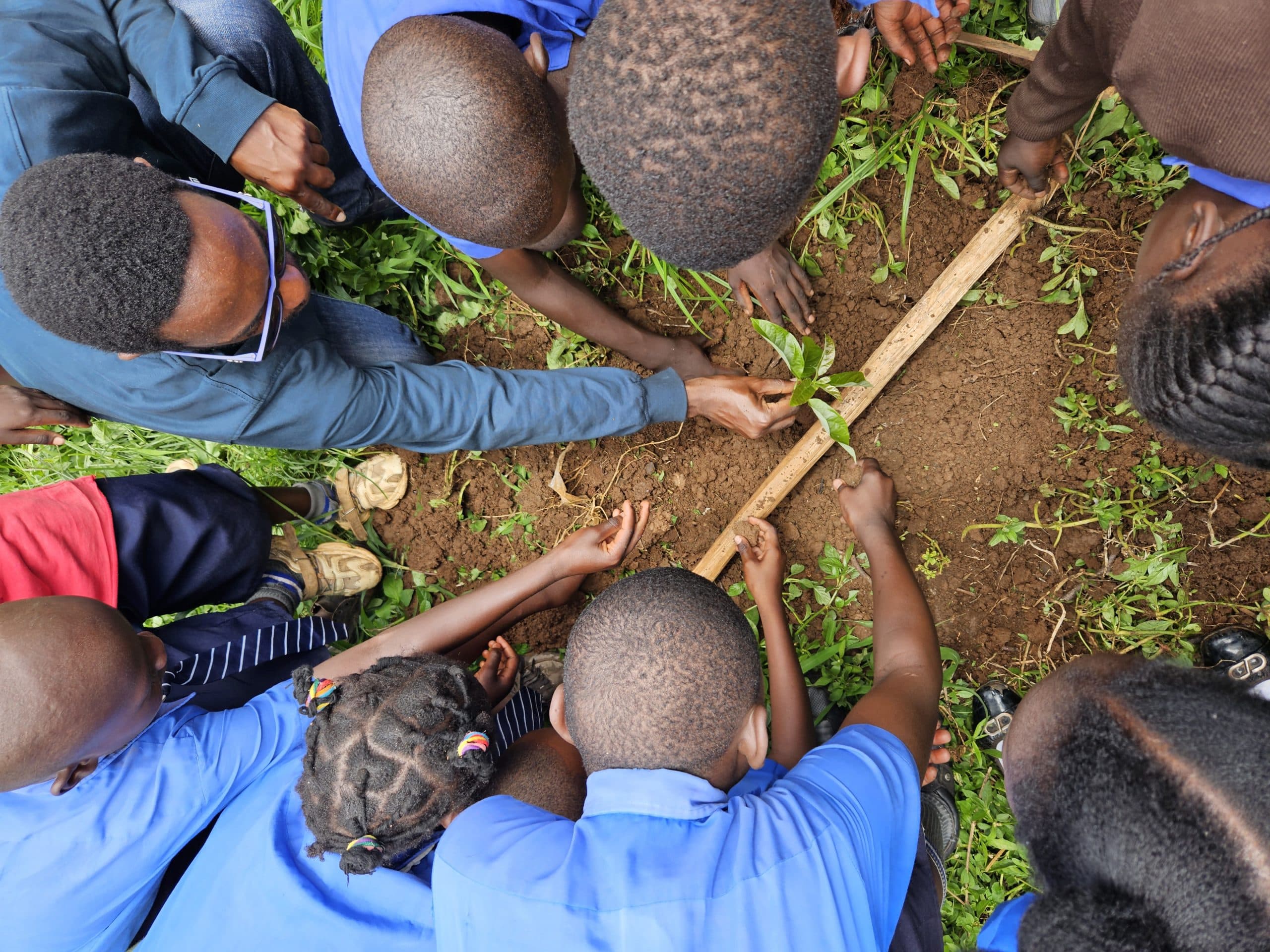
Across different communities, young Ugandans are participating in environmental education, community clean-up activities, tree planting, wetland restoration, and awareness campaigns. Their involvement demonstrates that meaningful environmental change does not only depend on large organizations or government programmes. It can also begin with individuals and communities taking action.
Why Wetlands Matter
Wetlands perform several important functions that directly affect people's lives. They help regulate water, reduce the impact of floods, provide habitats for wildlife, and contribute to the health of surrounding ecosystems.
They also support communities economically. Many people depend on wetlands and their surrounding areas for agriculture, fishing, livestock activities, and other sources of income.
When wetlands are degraded, the effects can extend far beyond the wetland itself. Communities may experience increased flooding, declining water quality, loss of biodiversity, and reduced livelihood opportunities.
Young People Are Becoming Environmental Leaders
One of the most encouraging developments is the growing involvement of young people in environmental protection.
Young people bring energy, creativity, technology, and strong communication networks to environmental campaigns. Through schools, youth organizations, community groups, and social media, they are able to reach audiences that traditional environmental campaigns may not always reach.
Youth-led initiatives can also make environmental issues easier to understand. Instead of presenting climate change and environmental degradation only as technical issues, young people can connect them to everyday experiences such as flooding, water availability, food security, and the cleanliness of their communities.
From Awareness to Action
Awareness is an important first step, but lasting environmental change requires action.
Young people can participate in activities such as: Wetland clean-up campaigns Community environmental education Tree planting and restoration activities Waste management initiatives Biodiversity monitoring School environmental clubs Community awareness campaigns Digital campaigns promoting environmental responsibility
These activities may appear small individually, but when communities work together, they can create meaningful and lasting results.
The Power of Community Participation
Wetland restoration cannot succeed through the efforts of one organization or one group of people. It requires cooperation between communities, young people, civil society organizations, local authorities, schools, and other stakeholders.
Community participation is particularly important because people living around wetlands understand the challenges affecting their communities. Their knowledge and experience can help identify practical solutions that are appropriate for the local environment.
Young people can serve as a bridge between community members, organizations, and digital platforms. They can document environmental challenges, share information, organize campaigns, and encourage other young people to participate.
A Quote From the Field
“"When young people understand that protecting the environment is also protecting their own future, they stop seeing environmental action as someone else's responsibility and begin becoming part of the solution."
A Growing Movement
Youth participation in environmental protection is not simply about planting trees or cleaning communities. It is about building a generation that understands the relationship between environmental health, economic opportunity, public health, and community wellbeing.
When young people are given the knowledge, skills, resources, and opportunities to participate, they can become powerful environmental advocates.
What Communities Can Do
Communities can support young environmental leaders by creating opportunities for participation and making environmental information accessible.
Schools can establish environmental clubs and practical conservation activities. Community organizations can support youth-led initiatives. Local leaders can involve young people in environmental planning and awareness activities.
Individuals can also contribute through simple actions such as reducing waste, avoiding dumping in wetlands, participating in community clean-ups, and sharing accurate environmental information.
This demonstrates the importance of creating environmental programmes that actively involve young people rather than treating them only as beneficiaries.
Looking Ahead
The future of Uganda's wetlands will depend on the decisions communities make today.
Restoring degraded wetlands requires long-term commitment. It requires education, responsible land use, community participation, enforcement of environmental regulations, and continued investment in restoration.
Young people have an important role to play in this process. They are not only the generation that will inherit the environmental challenges of today; they are also a generation capable of creating solutions.
By equipping young people with knowledge and opportunities, communities can turn environmental awareness into practical action.
Conclusion
The restoration of Uganda's wetlands is a shared responsibility. Governments, communities, civil society organizations, schools, businesses, and individuals all have a role to play.
Young people are already demonstrating what is possible when communities come together around a common environmental goal.
Protecting wetlands is ultimately about protecting water, livelihoods, biodiversity, and the future of communities.
The message is simple: when young people are given the opportunity to lead, they can become powerful champions for a healthier and more sustainable Uganda.